
I’ve worked in casino operations for more than ten years, mostly on busy gaming floors where you learn very quickly that people rarely get into trouble because they don’t know how to play. More often, they get into trouble because they don’t realize how quickly a casino can change their pace, their mood, and their judgment, even when that journey begins with something as simple as searching for uus777.
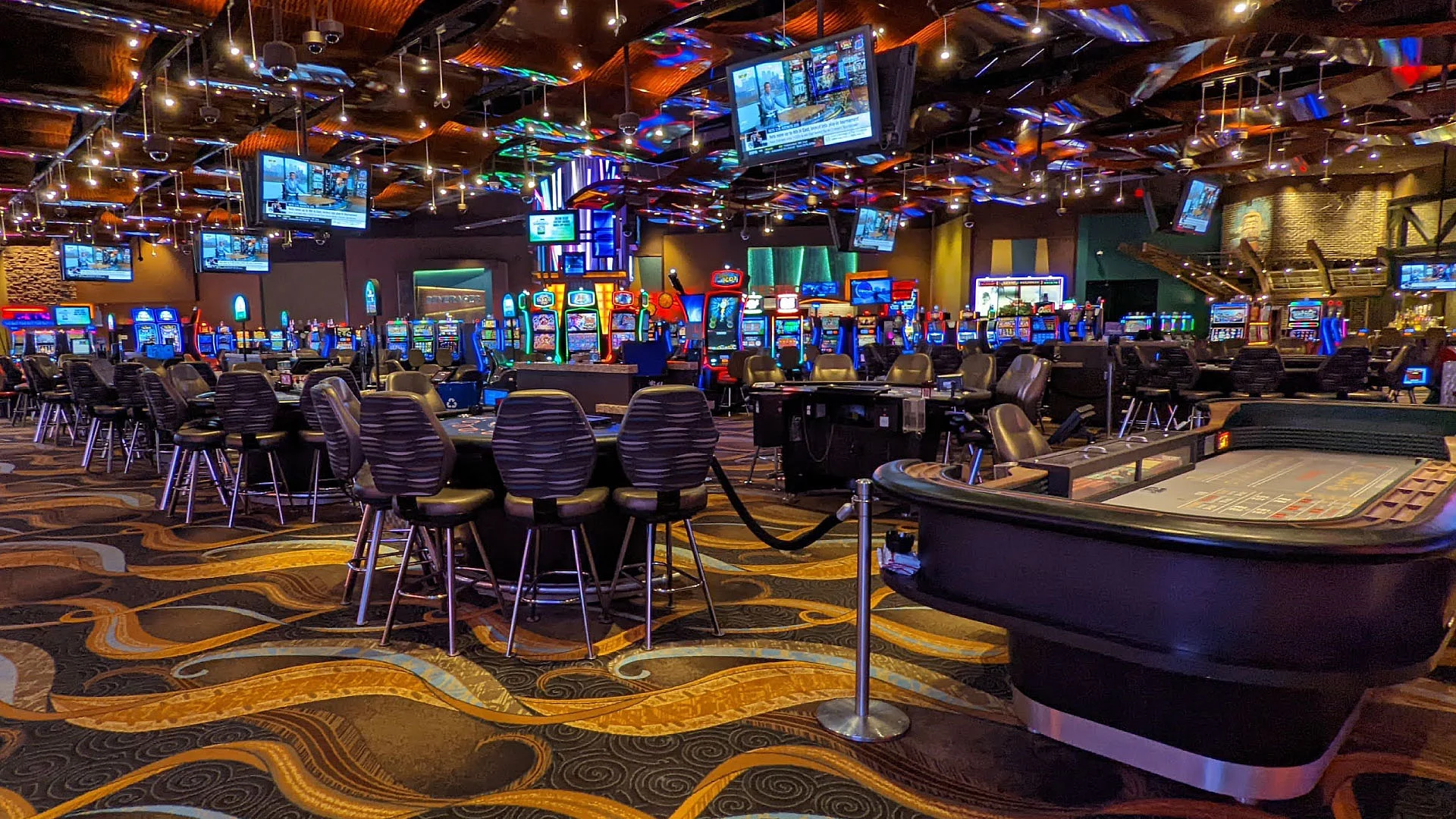
That may sound obvious from the outside, but it looks different when you’ve spent years watching players in real time. I’ve seen first-time visitors do perfectly fine with complicated table games because they stayed calm, asked questions, and treated the experience like entertainment. I’ve also seen experienced gamblers have a terrible night because they walked in frustrated and expected the room to fix it for them. In my experience, that mindset matters more than people think.
The first thing I tell anyone visiting a casino for the first time is to decide what the money means before they step inside. If it’s your entertainment budget, you’re in a much safer position. If it’s money you’re emotionally attached to, money you need back, or money you’ve already mentally spent elsewhere, I would advise against gambling with it at all. That line sounds simple, but it’s where I’ve seen the biggest difference between people who leave satisfied and people who leave upset.
One guest I remember from last spring came in after dinner with a small group of friends. He started at a low-stakes blackjack table, and for the first hour he was exactly the kind of player dealers like to help. He asked basic questions, laughed when he made a clumsy decision, and never acted like the game owed him anything. Later in the evening, I passed by another table and saw the same man playing much faster, with bigger bets and a completely different expression. He had stopped having fun and started trying to recover the night. That shift happens all the time, and it’s more dangerous than any single losing streak.
A lot of new players assume slot machines are the safest place to start because there’s no pressure and no learning curve. I actually think slots are where many beginners lose control of time and budget fastest. Table games at least create pauses. You wait for cards, you see other people play, and the pace is set by the dealer. At a slot machine, the action can become almost automatic. I once spoke with a woman who told me she had only intended to stay for “a few spins” before heading home. She ended up sitting in the same area most of the evening, not because she was making reckless bets, but because the rhythm of the machine made it easy to keep going without thinking much about the total.
That’s one of those details people outside the business often miss. Most bad casino nights don’t start with dramatic behavior. They start with drift. A player loses a little, wins a little, moves machines, orders another drink, tells themselves they’re still fine, and then notices too late that they’ve crossed their own limit.
I’ve also seen plenty of avoidable mistakes at table games, especially craps. It’s one of the most exciting games on a casino floor, but it can overwhelm beginners quickly. On a crowded weekend night, I watched a couple copy other players’ bets because they were embarrassed to admit they didn’t understand what they were doing. Once a dealer slowed things down and explained the simplest approach, their whole mood changed. They didn’t need a deep lesson. They needed someone to make it clear that playing conservatively was better than pretending to know more than they did.
After a decade in this business, my opinion is clear. Casinos are best enjoyed by people who bring a fixed budget, choose slower games when they’re new, and leave before emotion starts making decisions for them. I recommend low-stakes blackjack over fast slot play for many first-timers, and I strongly advise against gambling when you’re angry, tired, drinking heavily, or hoping for rescue. The people who do best are usually not the luckiest.